
Blood Draws and Testing for Home-Based Care in South Africa

Blood tests are a key part of monitoring health. They help detect problems early and guide treatment. For people receiving care at home, understanding how blood draws and testing work is important. This post explains routine blood tests, specimen collection, and laboratory submission. It also highlights practical examples of services that support home-based blood testing.
Blood tests provide valuable information about your body. They check how organs work, detect infections, and measure levels of substances like glucose or cholesterol. Regular blood tests can catch health issues before symptoms appear. This helps keep you healthy and manage chronic conditions.
Blood draws and testing done at home offer convenience and comfort. You avoid travel and waiting rooms. Skilled professionals come to your home to collect samples safely. The samples are then sent to a lab for analysis. This process requires careful handling to ensure accurate results.
Routine Blood Tests and Their Purpose
Routine blood tests cover a range of checks. Some common ones include:
Complete Blood Count (CBC): Measures red and white blood cells, haemoglobin, and platelets. It helps detect anaemia, infections, and blood disorders.
Blood Glucose Test: Checks sugar levels to monitor diabetes or risk of diabetes.
Lipid Profile: Measures cholesterol and triglycerides to assess heart disease risk.
Liver Function Tests: Evaluate how well the liver works by measuring enzymes and proteins.
Kidney Function Tests: Check waste products in blood to assess kidney health.
Electrolyte Panel: Measures minerals like sodium and potassium, important for body functions.
These tests provide a snapshot of your health. Doctors use the results to adjust treatments or recommend lifestyle changes.

Close-up view of blood collection tube with patient label ready for laboratory testing
Specimen Collection at Home
Collecting blood samples at home requires skill and care. The process usually involves:
Preparation: The healthcare worker explains the procedure and checks your details.
Site Selection: The most common site is the inside of the elbow or back of the hand.
Cleaning: The skin is cleaned with an antiseptic to prevent infection.
Blood Draw: A needle is inserted into the vein to collect blood into tubes.
Labeling: Each tube is labelled with your information to avoid mix-ups.
Aftercare: Pressure is applied to stop bleeding, and a bandage is placed.
Proper technique reduces discomfort and ensures enough blood is collected for testing. The healthcare worker follows safety protocols to protect both you and themselves.
Laboratory Submission and Testing Process
Once the blood is collected, it must reach the laboratory quickly and safely. The steps include:
Packaging: Samples are sealed in biohazard bags and placed in coolers if needed.
Transport: Samples are transported to the lab, often the same day.
Reception: Lab staff check the samples and enter details into their system.
Testing: Automated machines or manual methods analyse the blood.
Reporting: Results are sent to your doctor or care provider.
Timely submission is crucial. Delays or improper handling can affect test accuracy. That is why reliable home-based services are important.

Eye-level view of medical professional preparing blood samples for transport to laboratory
Examples of Home-Based Blood Testing Services
In South Africa, some services specialise in home blood draws and testing. For example:
Care Team® Blood Collection Service
Care Team® offers professional blood draws at home. Their trained nurses collect samples safely and send them to accredited labs. This service suits people who need regular monitoring without leaving home. Learn more at Care Team® Blood Collection Service.
PathCare Home Blood Testing
PathCare provides home specimen collection with quick lab turnaround. They cover many routine tests and ensure proper sample handling. This service is ideal for busy individuals or those with mobility challenges. Visit PathCare Home Blood Testing.
Both services focus on comfort, accuracy, and convenience. They help maintain health without disrupting daily life.
Tips for Preparing for a Blood Draw at Home
To make your blood draw smooth and successful, consider these tips:
Drink water before the test to stay hydrated.
Wear clothing with sleeves that can be easily rolled up.
Inform the nurse about any medications or health conditions.
Relax and stay still during the draw to reduce discomfort.
Follow any fasting instructions if required for specific tests.
Good preparation helps get accurate results and a comfortable experience.
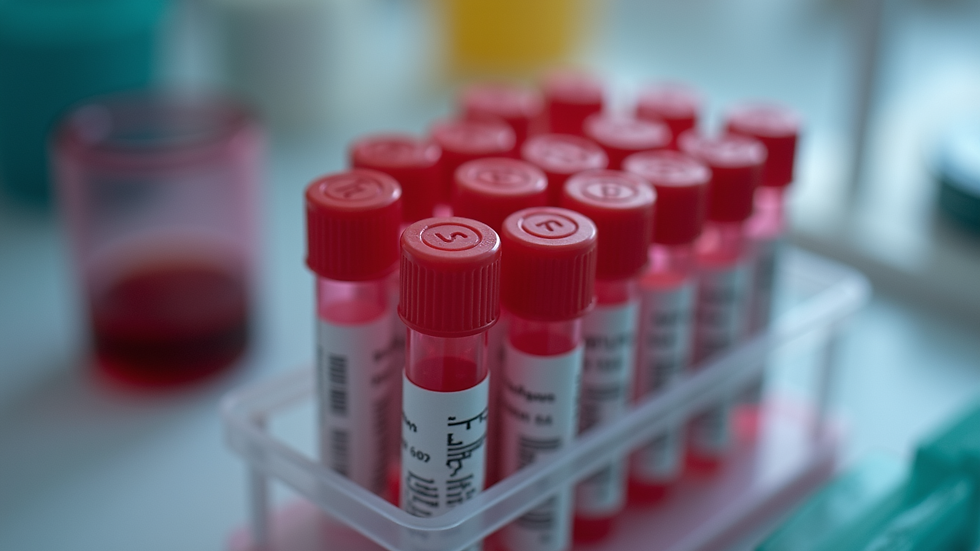
High angle view of labelled blood tubes arranged for laboratory testing
Why Home-Based Blood Testing Matters
Home-based blood draws and testing improve access to healthcare. They reduce the need to travel, which can be difficult for elderly or disabled individuals. This approach supports ongoing health management in a familiar environment.
Care Team® aims to be the leading provider of comprehensive home-based care and support services in South Africa. Their blood collection service fits this goal by ensuring comfort and well-being for individuals needing medical assistance at home.
By choosing home-based testing, you get timely health information without added stress. This helps you and your healthcare team make informed decisions.
Blood draws and testing are essential for health monitoring. Routine blood tests provide key insights into your body’s condition. Collecting specimens at home is safe and convenient when done by trained professionals. Reliable laboratory submission ensures accurate results.
Services like Care Team® Blood Collection and PathCare Home Blood Testing make home-based blood testing accessible in South Africa. Preparing well for your blood draw improves the experience and results.
If you need regular blood tests or prefer the comfort of home, consider these services. They support your health with ease and professionalism.
Disclaimer: This content is for informational purposes only and does not replace professional medical advice. Consult your healthcare provider for personalised guidance.


Comments